
Power of Data Driven Analytics
In today’s fast-paced digital landscape, businesses are flooded with data from countless sources. The ability to make sense of this information can determine the difference between success and stagnation. Data-driven analytics is a powerful tool that helps organizations transform raw data into actionable insights. This capability is essential for improving decision-making processes, boosting performance, and fostering growth.
As reliance on data continues to grow, grasping the basics of data-driven analytics becomes crucial for leaders across all industries.
Understanding Data Driven Analytics
At its core, data-driven analytics encompasses the methods and processes that allow organizations to dissect their raw data to reveal patterns, trends, and actionable insights. This data can come from various sources, including customer interactions, market research, and internal performance metrics.
The main goal of data-driven analytics is to harness this information in strategic decision-making. For instance, a retail company using sales data can identify peak shopping times and adjust staff schedules accordingly, improving both customer service and operational efficiency.
The Crucial Role of Data in Decision-Making
Data-driven analytics represents a significant shift from traditional decision-making, which often relied on intuition and experience. For example, companies that base decisions on solid data have been shown to outperform competitors by up to 5% in productivity and growth.
Organizations that focus on data can better spot market opportunities, understand customer behavior, and mitigate risks. For instance, banks analyzing transaction data can uncover potential fraud patterns and take action swiftly, significantly reducing financial losses.
Types of Data Analytics
To fully utilize data analytics, it's important to understand its four main categories:
Descriptive Analytics: This type looks at past data to summarize trends. For instance, a restaurant can analyze sales from the last year to determine which dishes were most popular and during which months.
Diagnostic Analytics: This approach digs deeper into data to explain why something happened. A marketing team might examine why a campaign underperformed by analyzing customer engagement metrics.
Predictive Analytics: This method uses historical data to predict future outcomes. A telecom company, for example, might use predictive analytics to forecast customer churn rates and identify at-risk subscribers, allowing for targeted retention strategies.
Prescriptive Analytics: This advanced type recommends actions based on data analysis. A logistics company could leverage prescriptive analytics to optimize delivery routes, significantly reducing costs and improving delivery times.
Each type serves a unique purpose but collectively empowers organizations to strategically leverage their data.
Tools and Technologies for Data Driven Analytics
As the demand for data analytics surges, various tools and technologies have emerged to support data-driven decision-making. Here are some of the most effective options:
Tableau: This data visualization tool enables users to create interactive dashboards that present complex data clearly and engagingly.
Power BI: Created by Microsoft, Power BI connects to diverse data sources, allowing for comprehensive reports that support informed decision-making through rich visual insights.
Google Analytics: Particularly useful for businesses with a web presence, Google Analytics offers insights into user behavior, acquisition strategies, and conversion metrics, helping to refine online marketing efforts.
Apache Spark: An open-source computing system that processes large datasets quickly, Apache Spark is ideal for companies working with big data who need real-time insights.
Choosing the right tools is critical. Organizations need to ensure that their analytical goals align with the capabilities of these technologies.
The Value of Data Quality
Data quality plays a vital role in effective data-driven analytics. High-quality data ensures that insights derived are accurate and trustworthy. In fact, poor-quality data can cost businesses around 30% of their revenue each year due to misguided decisions.
To maintain data quality, organizations should implement data governance strategies that include regular data cleaning, validation, and auditing. These practices enhance the precision of insights and help build trust among stakeholders.
Cultivating a Data-Driven Culture
Fostering a data-driven culture is essential for the successful implementation of data-driven analytics within organizations. This involves encouraging a work environment where data and evidence guide decision-making at every level.
Investing in training helps employees understand the value of data and access analytical tools. When teams become comfortable using data in their daily work, the adoption of analytics across the organization increases.
For example, a manufacturing plant that empowers its floor workers with real-time data insights can achieve a 20% increase in operational efficiency and a significant reduction in downtime.
Final Thoughts
The impact of data-driven analytics is profound. In a world rich in data, the ability to analyze and gain meaningful insights is vital for any organization. By embracing various types of analytics, utilizing appropriate tools and technologies, ensuring high data quality, and fostering a data-centric culture, businesses can navigate their markets with confidence.
As organizations adapt to the ever-evolving digital landscape, implementing data-driven analytics will become a cornerstone of lasting success. By harnessing the power of their data, these businesses are well-equipped to innovate, grow, and thrive in changing environments.
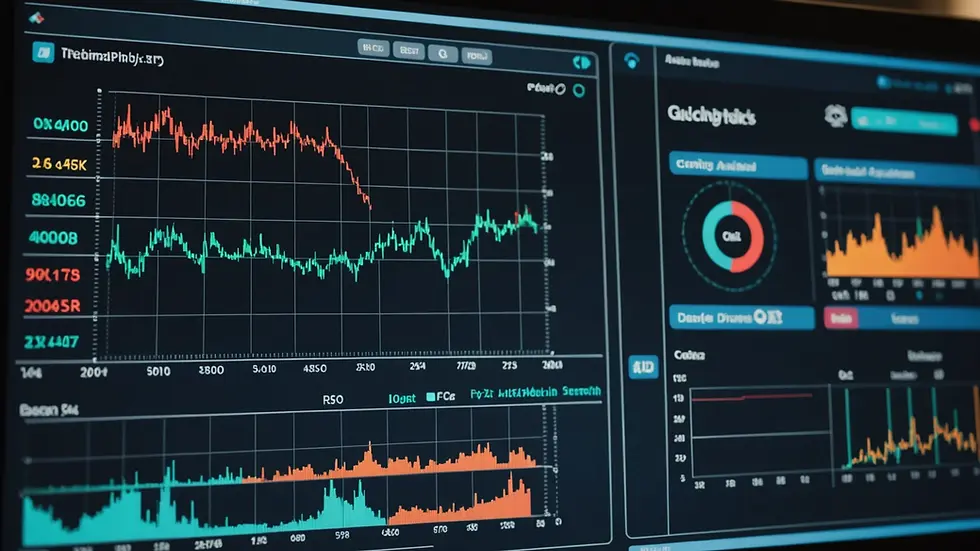
As the journey of data analytics progresses, organizations that effectively leverage their data will position themselves as leaders in their industries.


Comments